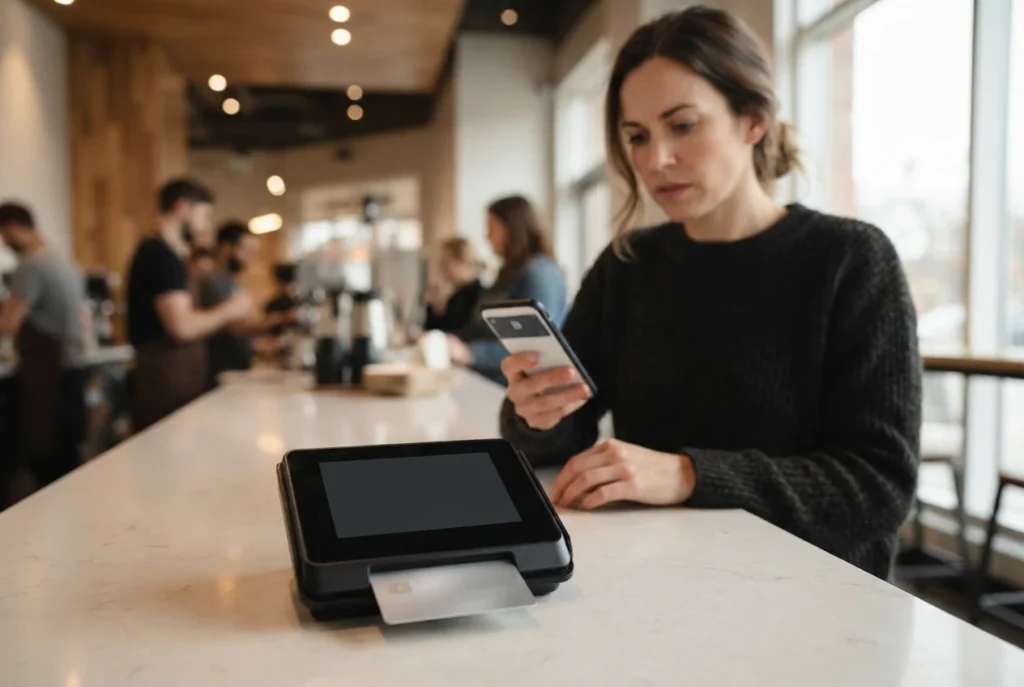
A declined card at the checkout is embarrassing, but most of the time the fix is quick. In Canada, the most common reasons a credit card gets declined are hitting your credit limit (often because of temporary holds you forgot about), your issuer’s fraud system flagging an unusual purchase, a missed payment, an expired or replaced card, or a billing detail that doesn’t match what the bank has on file.
The fastest fix is usually to open your bank’s app, check your available credit and any alerts, then call the number on the back of your card. Below, you’ll find how to tell which problem you have, what to do about each one, and a few things most people don’t know, like the rule about over-limit fees caused by holds.
First, Check These Three Things
Before you try the card again or start worrying, take two minutes to check:
- Your available credit, not your balance. Pending transactions and holds reduce what you can spend, even if they haven’t posted yet.
- Your banking app or texts. Many issuers send a fraud alert asking you to confirm a purchase. Reply, and the next attempt often goes through.
- The card itself. Look at the expiry date, and think about whether a replacement card arrived in the mail recently. Once you activate a new card, the old number may stop working.
If none of these explain it, keep reading.
Why Your Credit Card Was Declined: The Common Causes
You’re at or Near Your Credit Limit
This is the most common reason, and it often catches people off guard because their statement balance looks fine. Your credit limit includes everything you’ve spent since your last statement, plus pending charges.
Pre-authorization holds make this worse. Gas stations, hotels, car rental companies and some restaurants put a temporary hold on your card that can be much bigger than what you actually spend. The Financial Consumer Agency of Canada explains how this works with a gas example: a $100 hold placed at the pump when you only have $90 of credit left, even though the fill-up ends up costing $20.
Here’s the part most people miss. Under the federal Credit Business Practices Regulations, a federally regulated card issuer generally can’t charge you an over-limit fee caused only by a hold. The exception is when you would have gone over your limit during that time anyway. So if you’re charged an over-limit fee because a hotel hold pushed you over, it’s worth calling and asking for it to be reversed.
Fix: Make a payment (even a partial one) to free up credit, ask the merchant to release an old hold, or use a different card for now. Payments can take a business day or more to show as available credit, depending on your bank and how you paid.
Your Bank’s Fraud System Flagged the Purchase
Card issuers watch for spending that doesn’t fit your usual pattern. Common triggers include:
- A large purchase from a store you’ve never used before
- Several purchases in a short time, especially online
- A purchase in another country or from a foreign website
- Buying gift cards, electronics or other items fraudsters like to resell
The block protects you, even if it’s annoying. Usually you’ll get a text, an email or an app notification asking whether you made the purchase.
Fix: Confirm the purchase through the official alert or your banking app, then try again. If you didn’t get an alert, call the number on the back of your card. Don’t call a number from a text message you weren’t expecting.
You Missed a Payment or Your Account Is Restricted
If your minimum payment is overdue, some issuers restrict the card until you’re caught up. A returned payment, such as one from an account with too little money in it, can have the same effect.
Fix: Pay at least the minimum and ask your issuer when the card will work again. If money is tight, ask about payment options before more missed payments affect your credit history.
The Card Is Expired, Replaced or Locked
Banks sometimes reissue cards early, for example after a data breach at a merchant. Once you activate the new card, the old one stops working, and any subscriptions saved on the old number will fail too.
Many Canadian banking apps also let you lock your card with a single tap. It’s easy to lock it while hunting for a missing wallet, then forget to unlock it.
Fix: Activate your new card, check the lock setting in your app, and update the card details in places where you pay automatically, like streaming services, phone bills and utilities.
Your Billing Details Don’t Match
Online, the merchant usually checks your billing address, postal code and the three- or four-digit security code. A small mismatch, like an old address after a move or a typo in your postal code, can cause a decline.
This happens a lot on American websites, which may expect a five-digit ZIP code and reject a Canadian postal code.
Fix: Use exactly the address your card issuer has on file. If you moved recently, update your address with the bank first. If a U.S. site won’t take your postal code, look for an international billing option or pay another way.
The Extra Security Step Failed
Many online purchases now trigger an extra check from the card network, such as Visa Secure or Mastercard Identity Check. You might be asked for a one-time code or to approve the purchase in your bank’s app. If you close the window, wait too long or the code never arrives, the payment fails.
Fix: Make sure your phone number is up to date with your bank, keep your banking app open, and try again on a stable connection. Pop-up blockers can sometimes hide this window too.
The Merchant or Network Is the Problem
Sometimes it has nothing to do with you. A merchant might not accept your card type (American Express isn’t taken everywhere in Canada), their payment terminal might be offline, or a payment network could be having an outage.
Fix: Ask the cashier whether other cards are going through. If your card works fine somewhere else a few minutes later, the problem was almost certainly on the merchant’s side.
Quick Reference: Sign, Likely Cause and Fix
| What you notice | Likely cause | What to do |
|---|---|---|
| Declined, but your balance looks fine | Pending holds or charges | Check your available credit; make a payment |
| A text asking “Did you make this purchase?” | Fraud flag | Confirm in your app, then retry |
| Only online purchases fail | Address, postal code or security code mismatch | Match the details your bank has on file |
| A code-verification window failed | Security check timeout | Update your phone number; retry |
| Subscriptions suddenly failing | Card replaced or expired | Update the card details everywhere |
| Declined at one store only | Merchant terminal or card type issue | Try another card or store |
| Declined everywhere after a missed payment | Account restricted | Pay at least the minimum and call your issuer |
What the Decline Message Actually Tells You
Payment terminals and websites usually show short, vague messages. A few you might see:
- “Insufficient funds” or “Over limit”: You don’t have enough available credit.
- “Do not honour”: A general refusal from your bank. It often points to a fraud flag or an account restriction.
- “Call issuer” or “Refer to card issuer”: The bank wants to talk to you before it approves this purchase.
- “Invalid card” or “Expired card”: The card number, expiry date or card status is the problem.
The merchant can’t see why your bank said no, so the cashier can’t fix it. Only your card issuer can.
Travelling Outside Canada? A Few Extra Points
Declines are more common when you travel because foreign purchases look unusual to fraud systems. Some practical tips:
- Check whether your bank wants you to set a travel notice. Many now rely on spending patterns instead, so the rule varies by bank.
- Carry two cards on different networks (for example, a Visa and a Mastercard) and keep them in separate places.
- Save your issuer’s international collect-call or overseas number. The 1-800 number on your card may not work from abroad.
- At some U.S. gas pumps that ask for a ZIP code, it’s usually easier to pay inside.
Be Careful: A Declined Card Is a Favourite Scam Story
Fraudsters know a frozen or declined card makes people anxious, and they use that. A common trick is a call or text that claims to be from your bank’s fraud department and says your card was blocked. Then they ask you to “verify” your card number, share a one-time code, or move money to a “safe” account.
This isn’t a small problem. In its fraud trends for the first half of 2026, the Canadian Anti-Fraud Centre reported about $28.6 million lost to bank investigator fraud, where scammers pretend to be bank staff or police.
A few simple rules keep you safe:
- Your real bank won’t ask you to read out a one-time passcode or move your money to protect it.
- If you get a call like this, hang up and call the number printed on the back of your card.
- If you’ve shared your card details with a scammer, tell your issuer right away so they can cancel the card.
If someone does use your card without permission, Canada’s major card networks have zero liability policies. As long as you report the problem promptly and meet your cardholder agreement’s terms, you generally aren’t responsible for unauthorized charges. Your agreement lists the exact rules.
How to Make Declines Less Likely
A few habits save you a lot of awkward moments at the till:
- Turn on low-credit alerts. Federally regulated issuers have to offer an alert when your available credit drops below $100, and you can usually set your own amount.
- Pay down your balance mid-cycle if you tend to spend close to your limit.
- Leave a cushion before you travel, rent a car or check into a hotel, because those holds can be large.
- Keep your address and phone number current with your issuer.
- Have a backup payment method, like a second card or debit, for important purchases.
- Consider asking for a higher limit if you’re regularly bumping against it, but only if you can handle the extra credit responsibly. Your issuer needs your express consent to raise the limit.
When to Contact Your Issuer (and What to Ask)
Call your card issuer if your card is declined more than once, if you see charges you don’t recognize, or if a fee looks wrong. Keep these questions handy:
- Why exactly was the transaction declined?
- Are there any holds or restrictions on my account right now?
- Is there a fraud flag, and how do I clear it?
- Was I charged any fees because of this, and can they be reversed?
If your bank doesn’t resolve a complaint about how it’s following the rules, you can contact the Financial Consumer Agency of Canada. Every situation is different, so for bigger money problems, such as ongoing debt or a dispute over a large charge, it’s worth talking to a non-profit credit counsellor or a qualified financial professional.
The Bottom Line
A declined credit card in Canada usually comes down to available credit, a fraud check, an account issue or a details mismatch, and most of these can be fixed in a few minutes. Start with your banking app, confirm or clear any alerts, and call the number on your card, not one from an unexpected message. Turn on low-credit alerts and keep a backup card, and declines will happen a lot less often.
Frequently Asked Questions
Does a declined credit card hurt my credit score?
A decline on its own isn’t reported to Equifax or TransUnion. What can hurt your score is a cause behind it, like missed payments or using a high share of your credit limit.
Why was my card declined when I have credit available?
The usual reasons are a fraud flag, a billing detail that doesn’t match, a failed security check or a problem on the merchant’s side. Check your app for alerts first, then call your issuer.
How long do pre-authorization holds last?
It depends on the merchant and your issuer. Gas holds are often released within a few days, while hotel and rental holds can last longer. Ask the merchant to release a hold early if you’ve already paid.
Can I be charged an over-limit fee because of a hold?
Generally, no. Federal rules stop federally regulated issuers from charging an over-limit fee caused only by a hold, unless you would have gone over your limit anyway.
Should I keep trying the card if it’s declined?
Try once more at most. Several quick attempts can look like fraud and lead to a firmer block. Check your app or call your issuer instead.202