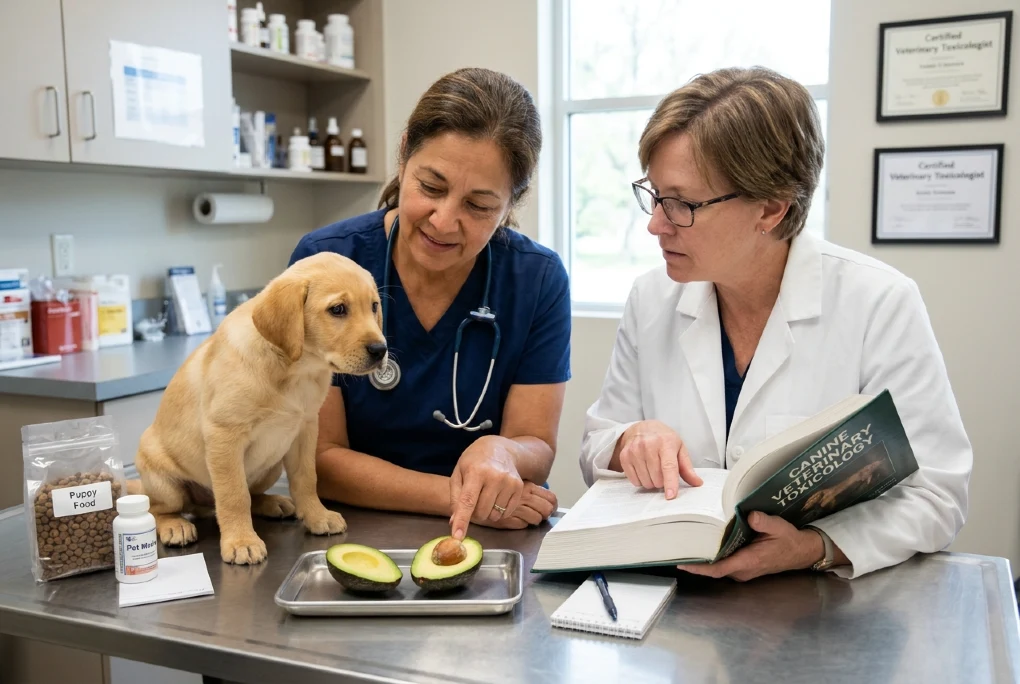
Maybe your dog just grabbed a slice off your plate. Or you’ve read that avocado is a superfood and wondered if a spoonful would make a healthy treat.
So, can dogs eat avocado? Don’t feed it on purpose. That said, a small bite of plain, ripe flesh usually isn’t an emergency.
The real dangers are elsewhere. The pit can choke a dog or block its intestines. The skin and leaves carry more of a natural compound called persin. And the flesh is high in fat, which can upset the stomach or trigger pancreatitis. Guacamole adds another risk because it usually contains onion and garlic.
If your dog ate anything beyond a small piece of ripe flesh, call your vet or a pet poison hotline.
Can Dogs Eat Avocado? It Depends on the Part
Not every part of an avocado carries the same risk. This table gives you a quick read on how worried to be.
| Part eaten | Main concern | General risk | What to do |
|---|---|---|---|
| Small bite of ripe flesh | Fat, mild stomach upset | Low | Watch for vomiting or diarrhea |
| Large amount of flesh | Fat, pancreatitis, digestive upset | Moderate | Call your vet |
| Skin or peel | Persin, hard to digest | Moderate | Call your vet |
| Pit (seed) | Choking, intestinal blockage | High | Call your vet right away |
| Leaves, bark, stems | Persin | Moderate | Call your vet |
| Guacamole | Onion, garlic, salt, spices | Moderate to high | Call your vet or a poison hotline |
| Avocado oil or meal in commercial dog food | Very little persin | Low | Generally fine as formulated |
These are general guidelines, not a diagnosis. Your dog’s size, age and health history all change the picture.
Why Expert Advice Seems to Conflict
Search this topic and you’ll find two camps. Some sources say a little avocado is fine. Others say never. Both are working from the same facts and simply weighing the risk differently.
Pet Poison Helpline’s toxicology team considers avocado non-toxic to dogs and cats. In other words, the flesh isn’t treated as a poison. Even so, they still advise keeping avocado away from dogs and calling if a dog eats any, because individual reactions vary.
The American Kennel Club’s guidance notes that dogs seem more resistant to persin than many animals. It still recommends against feeding avocado, pointing to the fat content and the risk of stomach upset and pancreatitis.
There’s also a real gap in the science. Researchers don’t know the exact dose of persin that causes harm in dogs.
So “non-toxic” and “good treat” are two different claims. Most vets land in the middle: a stolen bite is rarely a crisis, but there’s no good reason to offer it.
What Persin Is and Why It Matters
Persin is a natural fungicidal compound in the avocado plant. It’s found in the flesh, skin, pit, leaves and bark. It’s harmless to people.
Dogs appear less sensitive to persin than many other species. Birds, rabbits, horses and goats are known to be far more vulnerable. If you keep a pet bird or backyard animals, avocado is a much bigger concern for them.
Ripeness matters too, because unripe fruit generally contains more persin than ripe fruit. A dog that raids a bowl of hard avocados ripening on the counter is more worrying than one that licked a little ripe flesh off toast.
The Pit Is the Biggest Danger
Most vet visits involving avocado aren’t about poisoning. They’re about the pit.
An avocado pit is large, hard, smooth and round. To a dog, it looks a lot like a ball.
- Small dogs can get it stuck at the back of the throat and block their airway.
- Larger dogs may swallow it whole, and it can lodge in the stomach or intestines.
An intestinal blockage is a medical emergency and may need endoscopy or surgery to fix. The tricky part is that a dog can seem perfectly normal for hours before signs appear.
Watch for these blockage signs:
- Repeated vomiting, especially after eating or drinking
- Refusing food
- Straining to poop, or not pooping at all
- A tense or painful belly, a hunched posture, or restlessness
- Unusual tiredness
Choking looks different. Pawing at the mouth, gagging, drooling or struggling to breathe all mean you should get to an emergency vet immediately.
One of the most common mistakes is tossing the pit into an open kitchen bin or an uncovered compost pile. That’s often how dogs find them.
Fat Content and Pancreatitis
Avocado is rich in fat and calories. That’s fine for people, but a lot for a dog, especially a small one.
Too much fat at once can cause vomiting and diarrhea. In some dogs, it can trigger pancreatitis, a painful inflammation of the pancreas that sometimes needs hospital care.
Some dogs face a higher risk:
- Dogs that have had pancreatitis before
- Overweight dogs
- Breeds prone to fat-related digestive problems, such as Miniature Schnauzers
Regular avocado snacks also add calories that lead to weight gain over time.
Guacamole, Avocado Toast and Other Human Foods
With human dishes, the extra ingredients are often more dangerous than the avocado itself.
- Guacamole usually contains onion and garlic, both toxic to dogs. It often has salt, lime and chili as well.
- Avocado toast may be topped with everything-bagel seasoning, which contains garlic and onion, along with chili flakes or plenty of salt.
- Dips and spreads can include sour cream, cheese and spices that upset a dog’s stomach.
If your dog ate guacamole, have the recipe or ingredient label handy when you call. Your vet will want to know about every ingredient, not just the avocado.
What About Avocado Oil and Dog Food With Avocado?
Some commercial dog foods list avocado oil or avocado meal as an ingredient. These ingredients contain very little persin and are generally considered safe at the levels used in prepared pet food.
That’s different from adding avocado oil from your kitchen to your dog’s bowl. Oils are pure fat. Ask your vet before adding any oil as a supplement, especially if your dog has a sensitive stomach.
My Dog Ate Avocado: What to Do Now
Stay calm and work through these steps:
- Remove what’s left. Pick up the remaining avocado, pit, skin and any dip. Keep other pets away from it.
- Figure out what was eaten. Note which part, roughly how much, whether it was ripe, whether it was plain or mixed into a dish, and when it happened.
- Call for advice if needed. Call your vet or a poison hotline if your dog ate the pit, skin, leaves, a large amount of flesh, or guacamole. Also call if your dog is small, elderly or has health problems.
- Don’t make your dog vomit unless a vet tells you to. A pit coming back up can get stuck in the throat, and home remedies can cause harm of their own.
- Watch closely for the next day or two. Look for any of the symptoms listed below.
In the US and Canada, you can reach the ASPCA Animal Poison Control Center at (888) 426-4435 or Pet Poison Helpline at (855) 764-7661. Both may charge a consultation fee. In other countries, contact your regular vet or the nearest emergency clinic.
Here’s how different scenarios usually play out:
- A 70-pound Lab licked some plain, ripe avocado off a plate. Usually you just monitor at home.
- A 10-pound terrier chewed on a pit. Call a vet now, even if the dog seems fine.
- Any dog ate a bowl of party guacamole. Call a hotline because of the onion and garlic.
Symptoms to Watch For
- Vomiting or diarrhea
- Loss of appetite
- Lethargy or weakness
- Belly pain or bloating
- Straining to pass stool
- Coughing or difficulty breathing (rare, but serious)
Stomach upset tends to show up within hours. Blockage signs can take longer to appear.
Safer Treats If Your Dog Loves Fruit
If your dog begs whenever you’re slicing produce, these are widely considered safer options in small portions:
- Blueberries
- Apple slices, with the core and seeds removed
- Banana, in small amounts because of the sugar
- Carrots
- Cucumber
- Seedless watermelon, with the rind removed
Never offer grapes or raisins, which can cause kidney failure in dogs. A common rule of thumb is to keep treats to about 10% of your dog’s daily calories, and to introduce any new food slowly.
Keeping Avocados Out of Reach
A few small habits prevent most avocado mishaps:
- Ripen avocados in a cupboard or a high fruit bowl, not at the counter’s edge.
- Use a bin with a secure lid, and don’t put pits in an open compost pile.
- Keep party dips and snack tables above nose height.
- Ask kids and guests not to share food from their plates.
- If you have an avocado tree, pick up fallen fruit and leaves regularly.
The Bottom Line
So can dogs eat avocado? Avocado isn’t the deadly poison some posts claim, but it isn’t a treat either.
Skip it on purpose. Don’t panic over a small bite of ripe flesh. Treat the pit, skin, leaves and guacamole as reasons to call your vet.
Saving a poison hotline number in your phone today means you won’t be searching for it during an emergency.
Frequently Asked Questions
Is avocado toxic to dogs?
Avocado flesh isn’t classed as a poison for dogs, but it contains persin and a lot of fat. The pit, skin and leaves are riskier. Vets generally recommend not feeding it.
Can dogs eat avocado in small amounts?
A small bite of plain, ripe flesh is unlikely to cause serious harm in most healthy dogs. Because reactions vary and there’s no benefit your dog can’t get from safer foods, it’s best not to offer it.
Can a dog pass an avocado pit on its own?
You can’t count on it. A whole pit can easily get stuck in the stomach or intestines. Call your vet right away rather than waiting to see what happens.
Is avocado oil safe for dogs?
Avocado oil in commercial dog food is generally considered safe. Adding kitchen oil yourself means adding pure fat, so check with your vet first.
How soon do symptoms appear after a dog eats avocado?
Stomach upset usually appears within a few hours. Signs of a blockage can take longer, sometimes a day or more, so keep watching even if your dog seems fine at first.