A personlig trener time is Norwegian for a one-on-one hour with a personal trainer. In Norway it’s usually shortened to “PT-time.” A standard session typically lasts 45 to 60 minutes, though many gyms also sell 30-minute options. It usually covers four things:
- A quick check-in on how you’re feeling
- A warm-up
- The main workout, coached rep by rep with technique corrections
- A short wrap-up where you agree on what to do before the next session
Your first personlig trener time is different. Expect more talking than lifting: goals, training history, injuries, and a few simple movement tests so the trainer knows where to start.
If you’ve seen the term while looking at gyms in Norway, or you’re an American curious how Scandinavian PT works, this guide walks through what actually happens in the hour. It also covers what you’re paying for and how to tell a good session from a weak one.
What Happens in a Typical Personlig Trener Time
Most sessions follow a similar shape, even when the trainer’s style differs. Here’s a realistic breakdown of a 60-minute hour.
| Part of the session | Approx. time | What you do |
|---|---|---|
| Check-in | 3–5 min | Sleep, soreness, energy, anything that hurts |
| Warm-up | 8–10 min | Light cardio, mobility, activation drills |
| Main block | 35–40 min | Strength, conditioning, or skill work with coaching |
| Cool-down and wrap-up | 5 min | Light stretching, notes, plan for the week |
Timings shift depending on your goal. A runner preparing for a race might spend more time on conditioning. Someone rehabbing after a back tweak might spend longer on controlled, slow movements.
The check-in
This part sounds minor, but it changes the whole hour. If you slept four hours or your knee is cranky, a good trainer adjusts the plan on the spot. Be honest here. Pushing through pain to “get your money’s worth” is one of the most common ways people end up injured.
The warm-up
Expect something targeted rather than ten random minutes on a bike. If the main block is squats, you’ll likely do hip and ankle mobility plus a few lighter sets of the movement itself.
The main block
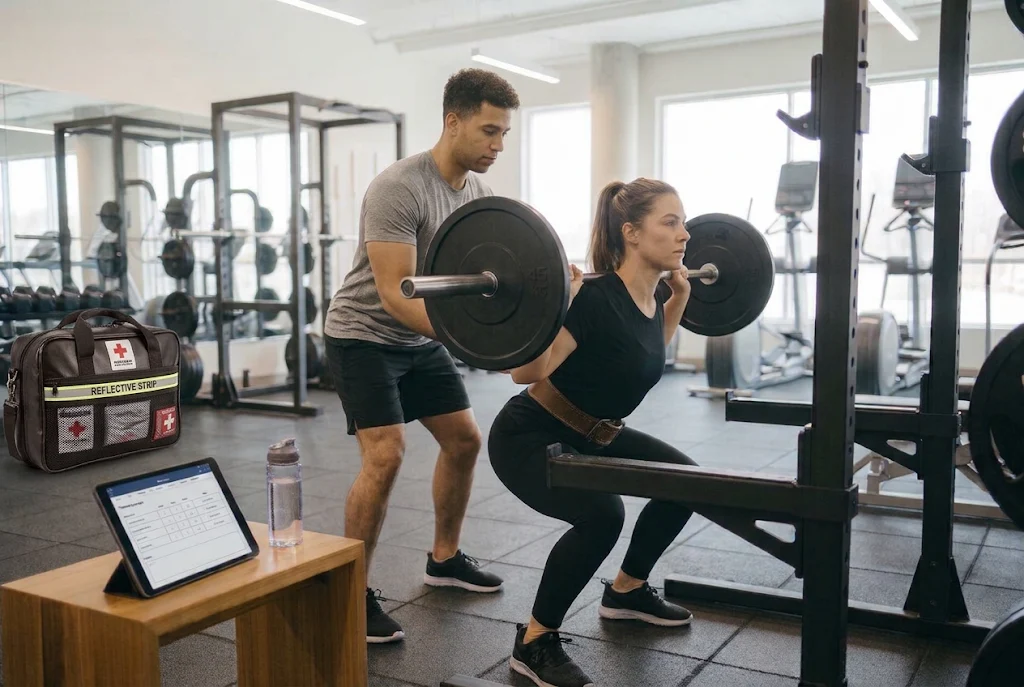
This is where the coaching earns its price. The trainer chooses the exercises, sets the load, counts reps, watches your form, and gives cues like “push the floor away” or “keep your ribs down.” They also decide when to stop a set early because technique is breaking down.
The wrap-up
A solid session ends with a plan. That might be two solo workouts to do before you meet again, a step-count target, or simply a note about what you’ll progress next time.
Your First Session Looks Different
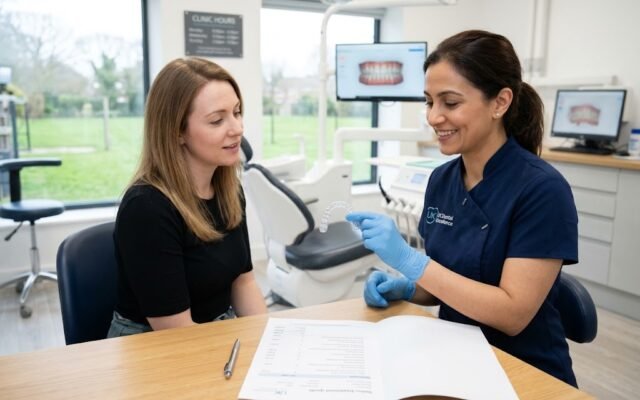
The first personlig trener time is usually a consultation hour. In Norway it’s often called a kartleggingstime or oppstartstime, roughly “assessment” or “intro session.” Some chains include a free intro session for new members. SATS, for example, has advertised one free PT hour for new members. Offers change, so check with the gym before you sign up.
Here’s what typically happens in that first hour:
- Goal setting. “Get fit” is too vague. A trainer will push you toward something specific, like doing five push-ups from the floor or running 5 km without stopping.
- Health and training history. You’ll be asked about injuries, surgeries, medical conditions, and what you’ve tried before.
- Movement screening. Expect simple tests: a bodyweight squat, a lunge, a plank, perhaps a push-up. These show how you move, not how “good” you are.
- A short sample workout. Most trainers want you to leave having actually trained, even briefly.
- A proposed plan. You’ll get a suggestion for how often to meet and which package fits.
If you have a heart condition, are pregnant, or are recovering from surgery, talk to your doctor before starting. A trainer can adapt workouts, but they aren’t a substitute for medical clearance.
Session Length Options: 30 vs 45 vs 60 Minutes
Not every personlig trener time is a full hour. Many Norwegian gyms sell shorter blocks, often labeled PT30 or PT60.
| Length | Works best for | Trade-off |
|---|---|---|
| 30 min | Technique on one lift, quick check-ins, people short on time | Little room for a long warm-up or full-body work |
| 45 min | Most regular training sessions | Tight if you’re new and need lots of explanation |
| 60 min | Beginners, first sessions, full-body workouts | Costs more per session |
A practical approach many people use: book 60 minutes for the first few sessions while you learn the movements. Then switch to 30 or 45 minutes once you can warm up on your own before the trainer arrives.
What You’re Paying For (Beyond the Hour)
Price is the reason many people search this term, so here’s the honest picture. According to a 2026 Norwegian pricing guide from Coachway, a studio PT session in Norway typically costs 700 to 1,500 NOK, with an average around 750 NOK. Oslo and Bergen often run 20 to 30% higher.
Buying a punch card (klippekort) of ten sessions usually brings the per-session price down by roughly 15 to 25%. Prices vary by gym, trainer level, and city, so treat these as ranges rather than fixed numbers. For US readers, check a current exchange rate rather than relying on an old conversion.
What matters more than the sticker price is what’s included. Two trainers charging the same rate can offer very different things:
- Session only: you train together, and that’s it.
- Session plus program: you also get a written plan for your solo workouts.
- Session plus follow-up: messages or app check-ins between sessions, sometimes with nutrition guidance.
Before you buy, ask directly: “What do I get between sessions?” The answer tells you a lot about the value.
Trainer levels and why they affect price
Some Norwegian chains grade trainers by experience. SATS, for instance, uses PT levels based on education and coaching hours, and higher levels cost more. A higher level isn’t automatically better for you. A beginner learning basic lifts may do perfectly well with an entry-level trainer whose style clicks with them.
Solo, Duo, or Small Group
A personlig trener time doesn’t have to be one-on-one. Many gyms offer a “PT duo” format where two people share a trainer, usually at a lower cost per person.
Solo works best when:
- You’re managing an injury or a specific limitation
- You want full attention on your technique
- Your goals are very different from a friend’s
Duo works best when:
- You and a partner or friend have similar fitness levels
- Accountability is the main thing you need
- You want to cut costs without losing coaching entirely
The catch with duo sessions is scheduling. If your partner cancels often, you may end up paying for a session that doesn’t happen, depending on the gym’s rules.
How to Tell If a PT Session Is Good
You don’t need to be a fitness expert to judge whether you’re getting a quality hour. Watch for these signs.
Green flags:
- The trainer asks questions and listens to the answers
- Exercises are explained, not just demonstrated
- Weights progress gradually from week to week
- They watch you during sets instead of checking their phone
- You leave knowing what to do on your own
Red flags:
- The same generic workout every session, regardless of progress
- Pushing you to train through sharp or unusual pain
- Hard-selling supplements or long contracts in the first meeting
- Diet advice that sounds extreme, like cutting whole food groups without a medical reason
- No record of what you did last time
One realistic scenario: you’re three sessions in and still can’t explain why you’re doing any of the exercises. That’s worth raising. A good trainer will happily explain the reasoning. If they can’t, that tells you something.
How to Get More From Every Session
Personal training isn’t cheap, so small habits make a real difference.
- Arrive warmed up. Five minutes on a bike before the session frees up time for actual coaching, especially in a 30-minute slot.
- Eat and hydrate sensibly beforehand. Training on an empty stomach after a long workday usually leads to a flat session.
- Bring questions. Write them down during the week: a lift that felt off, soreness that lingered, a workout you skipped.
- Do the homework. One or two sessions a week with a trainer won’t move far on their own. The solo workouts in between are where much of the progress comes from.
- Track your sessions. A simple note on your phone with exercises, weights, and how it felt makes progress visible.
For context on how much activity adults generally need each week, the US Department of Health and Human Services publishes the Physical Activity Guidelines for Americans. It’s a useful benchmark when planning how your PT sessions and solo training fit together.
How Many Sessions Do You Actually Need?
There’s no fixed number, and anyone promising results in a set number of sessions is overselling. That said, some common patterns hold up:
- Learning the basics: 3 to 6 sessions is often enough to learn core lifts and train independently with a plan.
- Steady progress with accountability: 1 to 2 sessions a week over a few months.
- Specific goals like race prep, returning after injury, or a strength target: a structured block, then periodic check-ins.
Gyms often recommend starting with at least a few sessions instead of a single one, so you get a feel for the trainer and the format. That’s reasonable advice. Committing to a large package before you know whether you like the trainer is not.
The Bottom Line
A personlig trener time is more than an hour of exercise. You’re paying for planning, coaching, technique correction, and someone who adjusts your training as you progress. The first session is mostly about assessment, and later sessions shift toward focused training with clear progress.
If you’re considering one, book a single session or a small package first. Ask what’s included between sessions, and judge the trainer by how well they listen and explain. You’re looking for the right fit, not the most expensive option.
FAQ
What does “personlig trener time” mean in English?
It translates to “personal trainer hour” or “personal trainer session.” In Norway it’s commonly shortened to PT-time.
How long is a personlig trener time?
Usually 45 to 60 minutes. Many Norwegian gyms also offer 30-minute sessions for technique work or quick check-ins.
Do I need to be fit before booking a PT session?
No. Trainers work with complete beginners all the time, and the first session is built around your current level. If you have a medical condition, check with your doctor first.
What should I bring to a personal training session?
Comfortable workout clothes, proper shoes, a water bottle, and a towel. A list of questions or past injuries also helps.
Can I cancel a booked session?
Most gyms have a cancellation window, often 24 hours, but rules differ. Check the policy before you buy a package, because late cancellations are often charged in full.