Clear protein looks like juice, drinks like iced tea and still gives you around 20 grams of protein a scoop. That’s why it fills so much shelf space in Canadian supplement stores. But a clear drink isn’t automatically a better one.
Quick answer: Clear protein is a highly filtered whey isolate (or sometimes a pea protein isolate) that’s been acidified so it mixes thin and see-through. Its main benefits are a light texture, very few calories beyond the protein itself, and low lactose. Its main drawbacks are a higher price per serving, an acidic pH that can be hard on tooth enamel, and less fullness than a creamy shake. Nutritionally, it’s close to a regular whey isolate. The real difference is how it drinks.
Here’s what that means day to day, and how to decide whether it’s worth buying.
What Clear Protein Actually Is
Most clear protein starts as whey protein isolate, the same base used in many regular powders. Manufacturers filter it further, often hydrolyze it (break the protein into smaller pieces), and add acids such as citric or malic acid. A 2010 study in the Journal of Food Science found whey drinks stayed essentially clear at a pH of 3.6 and below, which explains why almost every clear product tastes tart and fruity.
Plant versions exist too, usually made from pea protein isolate. These can come in a little lower in protein per scoop than the whey versions.
So it isn’t a new kind of protein. It’s a new format for an old one.
The Real Benefits of Clear Protein
It’s easier to drink when a milkshake sounds awful
This is the biggest reason people switch. After a hot summer run or a long hockey practice, a thick chocolate shake can sit heavy. A clear drink mixed with cold water feels closer to a sports drink, and many people find they actually finish it.
Lean numbers on the label
Typical clear whey products sold in Canada list about 20 to 25 grams of protein for roughly 80 to 100 calories, with little or no fat or sugar. If you’re tracking calories, nearly everything in the glass is protein.
The protein quality matches regular whey isolate
Clear whey is still whey. It provides the same complete set of essential amino acids, including leucine, that makes whey useful for muscle repair after training. You don’t give up anything meaningful for muscle building by choosing clear over a creamy isolate.
Lower lactose than many standard powders
Because it’s made from isolate, clear whey usually has very little lactose. That can make it easier on people who get bloated from whey concentrate. Low isn’t the same as none, though. If you have a milk allergy (a reaction to milk protein, not lactose), clear whey is still a dairy product and isn’t safe for you.
A break from flavour fatigue
If you’ve had vanilla shakes every day for a year, a fruity option can help you stay consistent. Some people keep both: a creamy shake with breakfast and a clear one after the gym.
The Drawbacks You Won’t See on the Tub
It costs more per serving
The extra processing isn’t free. Popular clear whey tubs at Canadian retailers were listed at roughly $2.20 to $2.50 per serving of about 20 grams of protein. Standard whey concentrate usually works out cheaper per gram. Prices and sales change constantly, so compare cost per 20 g of protein rather than cost per tub.
Acidity and your teeth
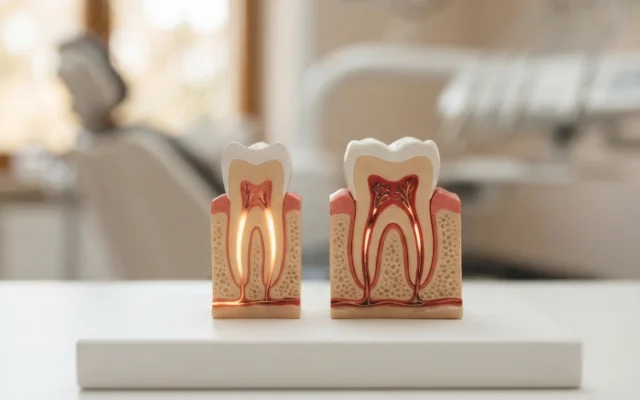
This is the drawback most articles skip. Clear protein gets its clarity from a low pH, and acidic drinks can soften tooth enamel. Dental associations give the same advice for sports drinks: the longer you sip, the longer your teeth sit in acid.
A few simple habits help:
- Drink it in one sitting instead of sipping it over an hour at your desk
- Use a straw if you have one handy
- Rinse your mouth with plain water afterward
- Wait about an hour before brushing, since brushing softened enamel wears it faster
Lab studies suggest protein in a drink may reduce some of the erosive effect of acid, but the results are mixed. If you already have sensitive teeth or visible enamel wear, mention your protein drinks at your next dental checkup.
It may not keep you full
Creamy shakes feel like food. Clear drinks feel like a beverage, and that matters for appetite. In a 2015 trial published in the European Journal of Clinical Nutrition, overweight women who drank a low-dose protein water didn’t report less hunger than when they drank plain sweetened water. Those doses were small, so the study doesn’t prove a full scoop won’t help. Still, if you want something that holds you until lunch, a thicker shake or a high-protein meal is the safer bet.
Foam, sweeteners and colours
Shaking clear protein hard creates a thick layer of foam, so most brands suggest letting it settle for 30 seconds or stirring instead. Many products also rely on sucralose, acesulfame potassium or artificial colours to get that bright juice look. None of that is unusual for flavoured powders, but check the label if you try to avoid them.
“Faster absorption” claims are thin
You’ll often see hydrolyzed clear whey marketed as faster-absorbing. There’s little research showing this makes a practical difference to muscle gain for everyday gym-goers. Your total protein across the day matters far more than whether one drink digests a bit quicker.
Plant-based clear options deserve a closer look
Consumer Reports’ October 2025 testing of protein powders and shakes found that plant-based products generally contained more lead than dairy- or meat-based ones. That testing covered products sold in the United States and didn’t single out clear proteins. Even so, if you choose a pea-based clear protein, pick a brand with independent third-party testing.
Clear Protein vs Regular Whey at a Glance
| Factor | Clear whey isolate | Regular whey (concentrate) |
|---|---|---|
| Texture | Thin, juice-like | Creamy, milkshake-like |
| Typical flavours | Fruity, tart | Chocolate, vanilla, dessert |
| Protein per scoop | About 20–25 g | About 20–25 g |
| Fat and carbs | Very low | Small amounts |
| Lactose | Very low | Low to moderate |
| Acidity | High (low pH) | Mild |
| Fullness | Lower | Higher |
| Price per serving | Higher | Lower |
| Works in smoothies or baking | Not really | Yes |
Who It Suits, and Who Can Skip It
Clear protein makes sense if you:
- Struggle to finish thick shakes, especially after cardio or in hot weather
- Get mild bloating from whey concentrate
- Want protein with very few extra calories
- Like having a second, different-tasting option to stay on track
You can probably skip it if you:
- Already meet your protein needs from food
- Want a shake that works as a filling snack
- Are shopping on a tight budget
- Have sensitive teeth or existing enamel erosion
- Mostly blend protein into smoothies, oatmeal or baking
Three Realistic Ways to Use It
After a sweaty workout. Mix one scoop with 400 to 500 ml of cold water and drink it within half an hour of finishing. On a humid July day, this is where the light texture helps most.
Between meals on a busy day. If lunch is at noon and dinner isn’t until 7, a clear drink at 3 p.m. adds protein without spoiling your appetite. Pair it with a piece of fruit or a handful of nuts if you need it to last longer.
As a second daily option. If you already have a creamy shake in the morning, a clear one later keeps things from getting repetitive. Just count both toward your daily total so you don’t overshoot your needs or your budget.
One mistake to avoid: treating it like a juice box and sipping it all afternoon. That’s the habit that’s hardest on your teeth.
How to Read a Clear Protein Label in Canada
Canadian packaging tells you a lot if you know where to look.
- Do the cost math. Divide the price by the number of servings, then compare the cost per 20 g of protein across brands.
- Look for an NPN on powders. Many protein supplements sold in Canada are licensed as natural health products and carry an eight-digit Natural Product Number.
- Watch for the “Supplemented” symbol on ready-to-drink cans. Some drinks with added ingredients like caffeine or amino acids fall under Health Canada’s supplemented foods rules and must show a caution identifier on the front.
- Read the caution box if there is one. The Health Canada caution box on the back or side explains how much is too much and who shouldn’t drink it.
- Scan the ingredients. Note the acid, sweeteners, colours and any caffeine. Some clear products double as pre-workout drinks.
- Check for third-party testing. Independent testing seals show a product has been screened for banned substances and contaminants, which matters most for competitive athletes.
How Much Protein Do You Actually Need?
Before buying any powder, it helps to know your target. According to HealthLink BC’s protein guidance, healthy adults aged 19 and older need about 0.8 g of protein per kilogram of body weight each day. For an 80 kg (176 lb) adult, that’s about 64 g.
Active people and older adults often need more, and sports dietitians commonly work with higher ranges for athletes. Teens, people who are pregnant or breastfeeding, and anyone with kidney disease or another health condition should get personal advice from a doctor or registered dietitian. In B.C., you can call 8-1-1 to talk with a dietitian, and many other provinces run 811 health lines as well.
For most people, one scoop of clear protein a day is a top-up, not a foundation. Canada’s Food Guide still points to a variety of protein foods, such as beans, lentils, eggs, fish, dairy, tofu and nuts, as the main source.
The Bottom Line
Clear protein is a good product with a narrow job. It’s a light, low-calorie way to get around 20 grams of high-quality protein when a creamy shake doesn’t appeal. It isn’t more effective than regular whey isolate, it usually costs more, and its acidity makes it easier on your workouts than on your teeth if you sip it all day.
If you like the taste and it helps you reach your protein needs, it’s a sensible choice. If you’re buying it because you think it works better, save your money and stick with the powder you already have.
FAQ
Is clear protein better than regular whey?
Not nutritionally. Clear whey isolate and regular whey isolate deliver similar protein and amino acids. Clear is lighter to drink, while regular whey is more filling and usually cheaper.
Is clear protein lactose-free?
Usually not completely. Clear whey isolate is very low in lactose, and many people with lactose intolerance handle it well, but check the label. It still contains milk protein, so it isn’t suitable for anyone with a milk allergy.
Can clear protein help with weight loss?
It can help you add protein without many calories, which may support a weight-loss plan. It’s less filling than a creamy shake, though, so it won’t replace a satisfying meal.
Is it okay to drink clear protein every day?
For most healthy adults, one serving a day as part of a balanced diet is reasonable. Because it’s acidic, drink it in one go, rinse with water and avoid brushing right after. Check with a healthcare professional if you have kidney problems or another health condition.